Hospital Medicine at ACP’s Internal Medicine Meeting 2026
Largest Meeting for Hospital Medicine Physicians!
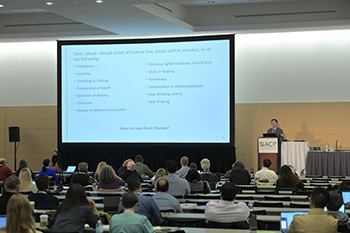
ACP’s Internal Medicine Meeting 2026 is the largest meeting for hospital medicine physicians—and it’s designed around the real challenges hospital medicine physicians face daily. Across three days, you’ll find 35+ hospitalist-focused sessions delivering practical, evidence-based guidance you can apply immediately to inpatient decision-making, care coordination, and transitions of care. From managing diabetes, hypertension, obesity-related complications, heart failure, and AFib to navigating complex social, behavioral, and system-level issues, this high-yield educational content meets you where hospital medicine actually happens.
Whether you’re balancing competing comorbidities, responding to acute decompensation, or coordinating safe discharges, these sessions focus on what works in real patients.
Educational Content Built for the Realities of Inpatient Care.
Scientific Sessions Relevant to Hospital Medicine Physicians
More than 35 sessions provide valuable takeaways on clinical topics, quality and safety, team-based approaches, and transitions of care. Explore the expansive list of preliminary scientific sessions and filter by topic, “Hospital Medicine”, to build a personalized agenda based around the conditions you manage most frequently.
List of Hospital Medicine sessions by day:
Thursday, April 16
- Nephrology in the Inpatient Setting: A Case-Based Approach
- Syncope: An Evidence-Based Approach to Inpatient Evaluations
- Dermatology for Hospitalists: A Case-Based Presentation
- Inpatient Management of Diabetes for the Hospitalist
- Cannabis Use: Considerations for Caring for the Hospitalized Patient
- Stroke: Common Challenges in the Hospital
- Aging out of Pediatric Care When Living With Pediatric and Congenital Conditions
- Gastroenterology for the Inpatient Clinician
- Key Findings on Cardiac Auscultation and POCUS
- Assessment and Management of Frail Older Patients in the Hospital: A Case-Based Approach
- Chest Pain: Common Challenges in the Hospital
- Electrolyte Abnormalities in the Hospital: Clinical Pearls
- Acute Thrombosis: Common Challenges in the Hospital
- Obstructive and Restrictive Lung Disease: Challenges in the Inpatient Setting
Friday, April 17
- Cirrhosis and Chronic Liver Disease
- Hospital at Home and Creative Models to Reduce Length of Stay and Readmissions
- Key Findings on Cardiac Auscultation and POCUS
- Addiction Medicine Essentials for the Inpatient Clinician
- Clinical Triad: Inpatient Device Management
- Advanced Communication Skills: How to Turn a Volatile Interaction into a Successful Patient Encounter Where You Come Out Unscathed
- Bacteremia Clinical Guide: What’s New
- Heart Failure: Common Challenges in the Hospital
- Acute Psychosis and Chronic Mental Health on the Wards
- Inpatient Perioperative Medicine: High-Yield Pearls for Hospitalists
- Antiplatelet Agents in the Patient With Coronary Artery Disease
- Neuromuscular Disease Pearls for the Inpatient Clinician
- Ultrasound Controversy: Is the Physical Exam Obsolete?
- Update in Hospital Medicine
Saturday, April 18
- Shock: Recognition and Triage
- Endocrine Challenges in the Hospital Setting
- Volume Assessment and Fluid Management in the Hospital
- AFib: Common Challenges in the Hospital
- Immune Checkpoint Inhibitors: Things to Know in the Inpatient Setting
- Artificial Intelligence in Hospital Medicine
- Medical Implications of Substance Use Disorder: Best Practices for the Patient and the Disease Process
- Inpatient Bleeding and Anemia Management
- Palliative Care
- Delerium During Hospitalization
- Oncologic Emergencies for Inpatient Clinicians
- Pneumonia and Other Respiratory Infections in the Hospital
“Hospital Medicine: Success in a Complex Environment” Pre-Meeting Course
Wednesday, April 15
Plan to attend this full-day pre-meeting course on Wednesday, April 15, designed specifically to provide an advanced and practical perspective of the challenges and conundrums that hospital medicine physicians experience. Or, view the complete list and descriptions of other Pre-Meeting Course offerings that may be of interest to you.
Hands-on Learning at the Clinical Skills Center
Update your physical examination skills, gain experience with procedures not routinely performed, refine communication skills, and practice on the latest medical software at the Clinical Skills Center during the meeting.
Why Hospital Medicine Physicians Choose ACP’s Internal Medicine Meeting
Hospital medicine physicians attend ACP’s Internal Medicine Meeting to access high-quality clinical education, earn CME credits, and stay updated on evidence-based practices. The annual meeting provides specialized knowledge on managing complex, acute, and chronic diseases, which is crucial for hospital-based care.
Key reasons for hospital medicine physicians to attend:
- Evidence-Based Updates: Sessions grounded in real inpatient scenarios, which help hospital medicine physicians update their practice immediately.
- Networking and Collaboration: The meeting offers opportunities to connect with peers, subspecialists, and leaders in the field, fostering collaboration.
- Career Development: Attendees can engage in workshops to enhance skills in areas like quality improvement, leadership, and medical education.
- Professional Reinvigoration: The event provides a space to share challenges and solutions with colleagues, helping to prevent burnout and spark new ideas.
- Comprehensive Clinical Content: As hospital medicine physicians often treat complex patients, the broad range of topics covered—from subspecialty updates to perioperative care—is highly relevant to daily work.